
Built-in immobilisation
What if proteins came with built-in immobilisation?
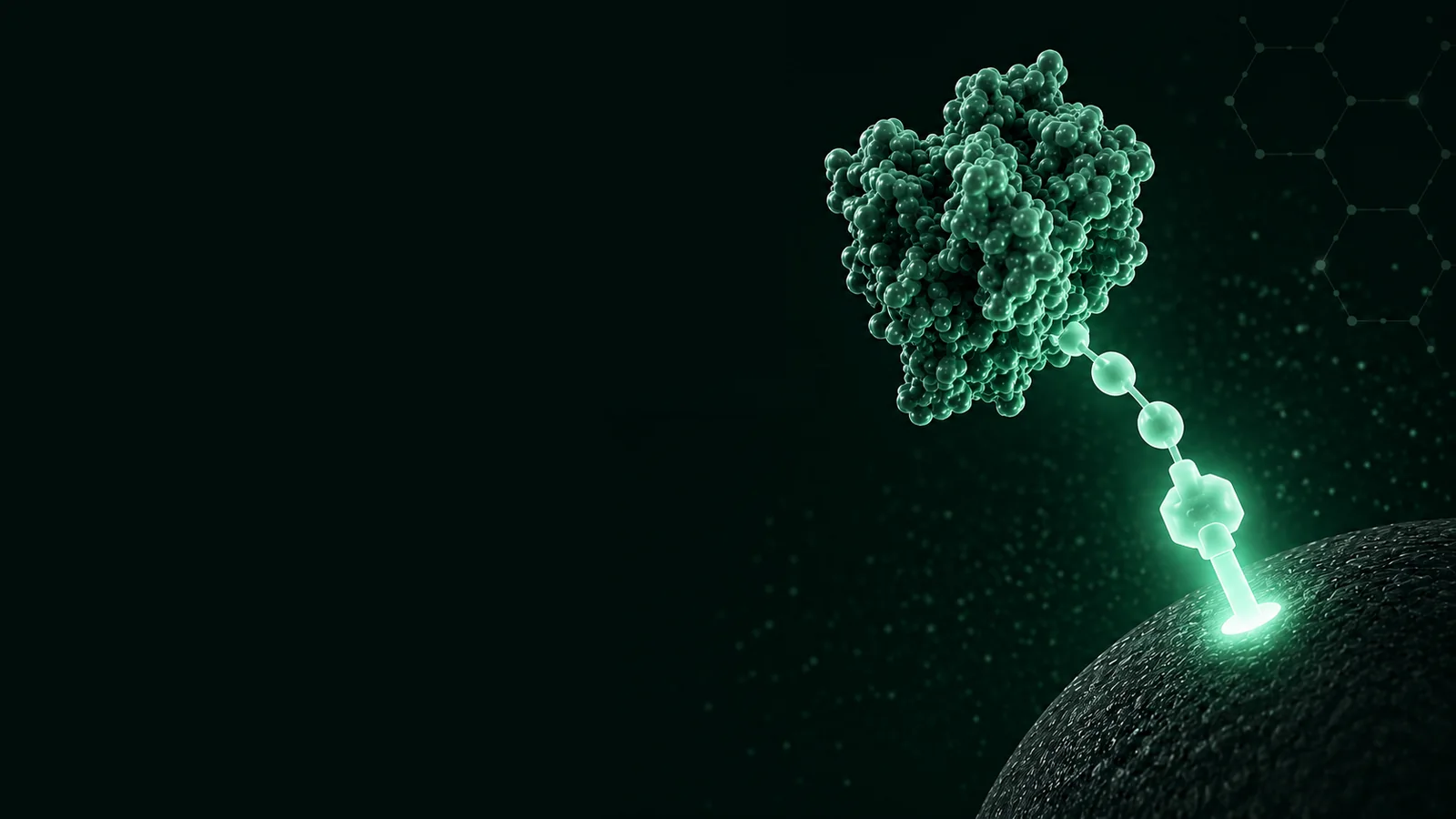
PepLock is a family of short peptide anchors that give proteins, peptides, antibodies and enzymes built-in immobilisation on solid surfaces. Think of it as protein superglue.
What PepLock is
Built-in immobilisation in one aqueous step
PepLock is a family of short peptide anchors that give proteins, peptides, antibodies and enzymes built-in immobilisation on solid surfaces. It is a Biotome technology. The anchor can be built into a recombinant protein's sequence, included during solid-phase peptide synthesis, or attached chemically. A PepLock-tagged molecule then attaches to its intended surface in one aqueous step, with no coupling reagents, no capture proteins and no extra tags. Attachment is site-specific, with consistent orientation, and withstands washes, detergents, salts, acids, bases and chaotropes. PepLock has been demonstrated on magnetic (carboxylated) beads, treated polystyrene plates and beads, nitrocellulose strips and membranes, polycarbonate and other functional plastics, gold microspheres and carbon-ink electrodes.
Properties
What changes when attachment is built in

Built in
The anchor can be built into a recombinant protein's sequence, included during solid-phase peptide synthesis, or attached chemically.
PepLock needs no partner protein and no catalyst.

Site specific
Site-specific attachment with consistent orientation.
Higher loading and preserved function compared with conventional immobilisation.

One step
Attaches in a single aqueous step.
No coupling reagents, no capture proteins, no extra tags.
Workflow
Express. Purify. Immobilise
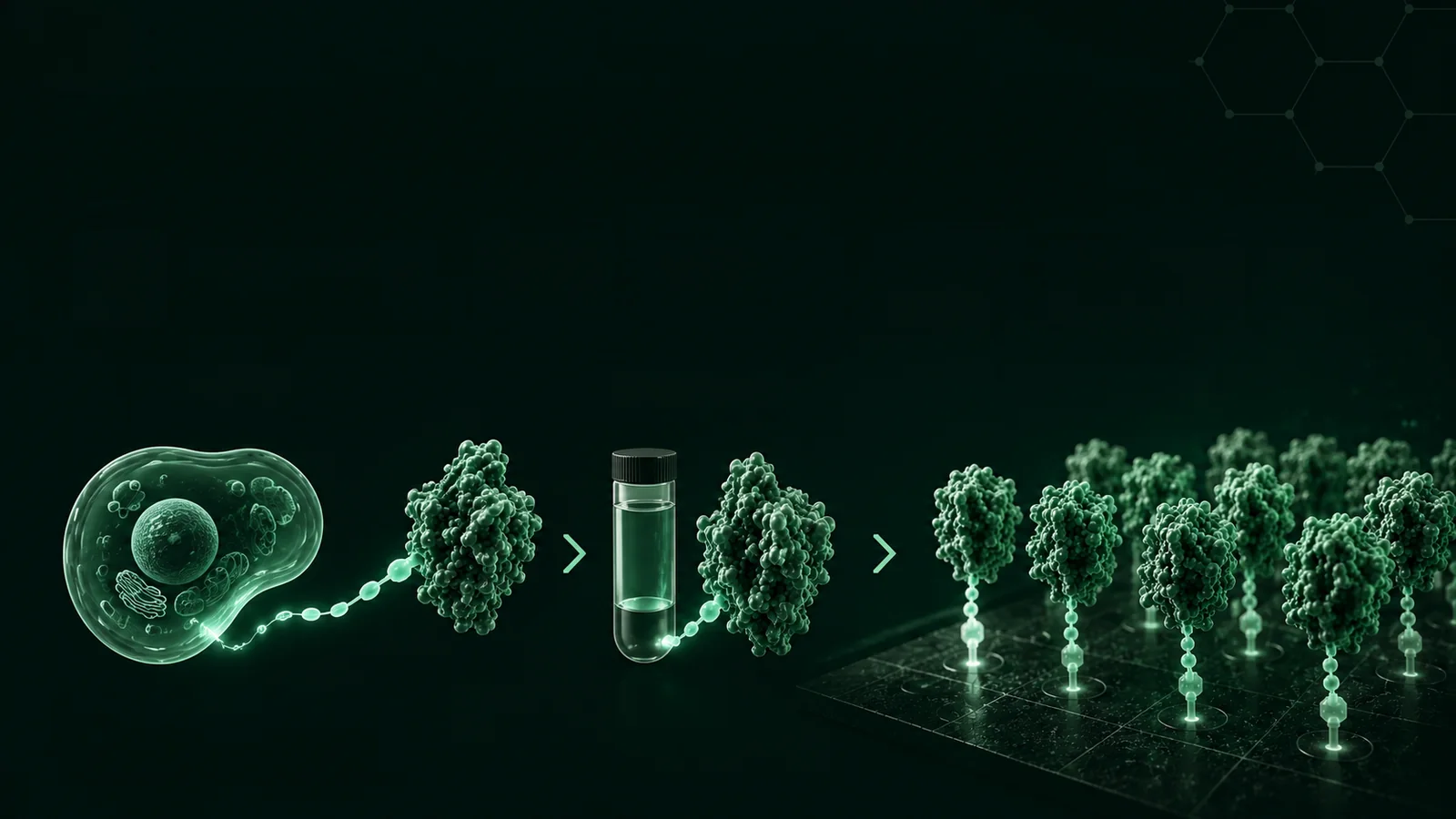
The existing expression and purification workflow is kept.
Immobilisation becomes the last step of the workflow rather than a separate chemistry project.
Compatible with common purification tags and workflows:
- His6
- FLAG
- Ni-NTA
- anti-His
- anti-FLAG
- Protein A/G
Durability and materials
Rapid and robust
Attachment withstands washes, detergents, salts, acids, bases and chaotropes.
Surfaces demonstrated
- Magnetic (carboxylated) beads
- Treated polystyrene plates and beads
- Nitrocellulose strips and membranes
- Polycarbonate and other functional plastics
- Gold microspheres
- Carbon-ink electrodes
On ordinary labware
PepLock-tagged molecules do not appreciably bind untreated polypropylene, polyethylene or polystyrene labware, so they handle like any other reagent through tubes, tips and storage plates. Attachment occurs on the intended assay surface, whether that is a treated plate, a bead, nitrocellulose or another functional polymer.

Biomolecules and formats
Demonstrated with proteins, binders and peptides
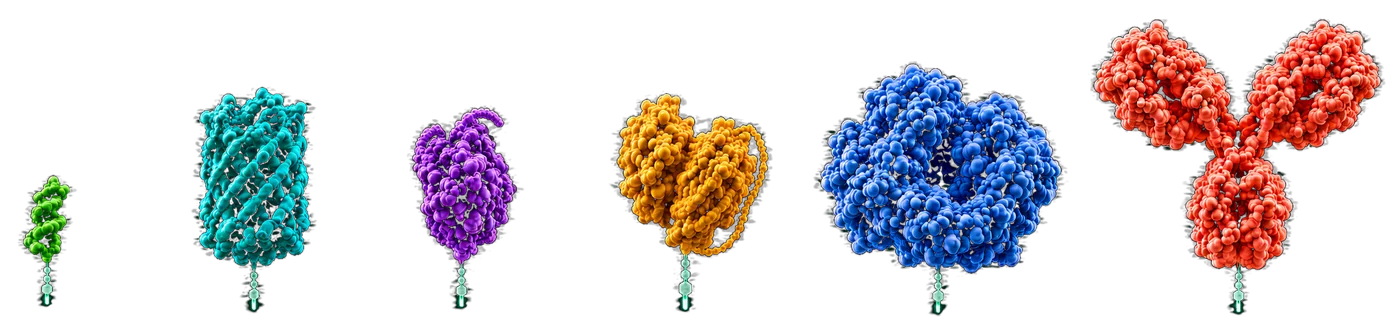
Demonstrated with eGFP, nanobodies (VHH and VNAR), enzymes, human IgG, mouse IgG and synthetic peptides.
In peptide serology, PepLock-tagged peptides show robust binding and improved epitope presentation.
Formats confirmed
- ELISA
- Lateral flow
- Electrochemistry
- Flow cytometry
Evidence
The data is real. It's behind a short conversation
Available under NDA, followed by a technical demonstration.
Request the data pack
What the data pack contains
- Head-to-head comparison against EDC/NHS coupling on carboxylated microspheres.
- Coating titrations on nitrocellulose, polycarbonate and carbon electrode surfaces.
- Nanobody and IgG binding and target capture on plates and beads.
- Peptide-epitope capture on microspheres and plates, including serum ELISA.
Applications
One technology, many possibilities
There are many flavours of PepLock, and one problem they all address: keeping a biomolecule attached, oriented and working on a surface. Diagnostics and binders are where PepLock has been demonstrated. The rest is where we believe it is headed.
PepLock is an early-stage technology. Applications beyond the confirmed formats are proposed, not yet validated.
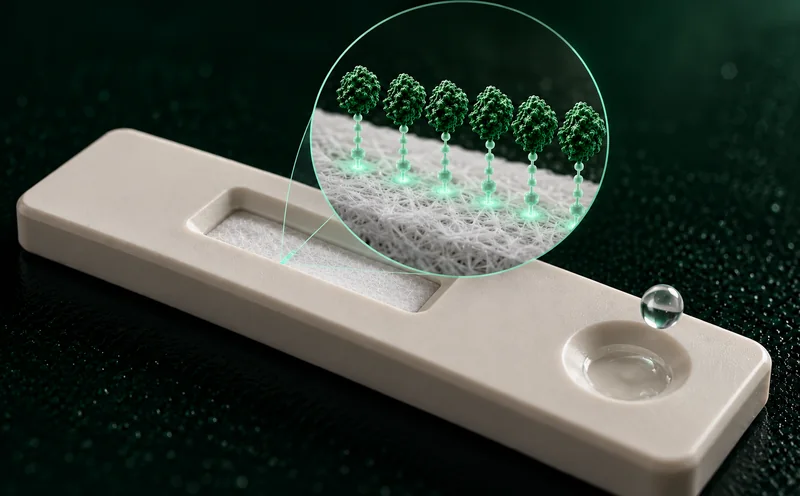
Diagnostics
Lateral flow · ELISA · Multiplex assays · Biosensors · Peptide serology
Read about diagnostics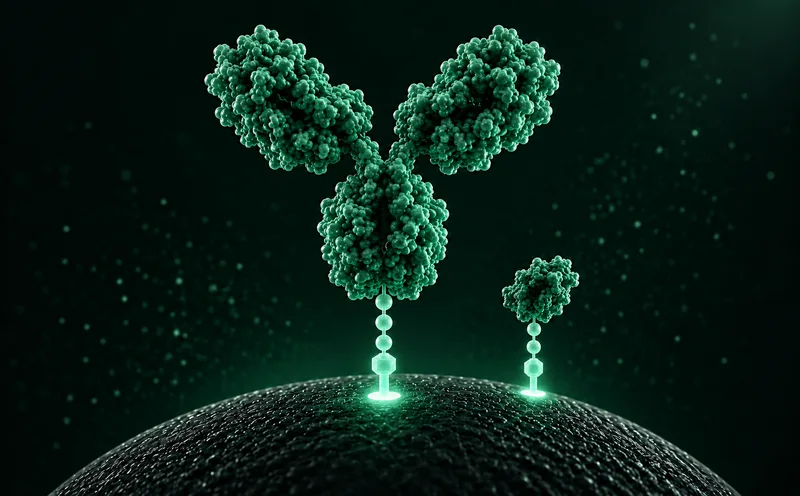
Biologics and binders
Antibodies · Nanobodies · Engineered binders
Read about biologics and binders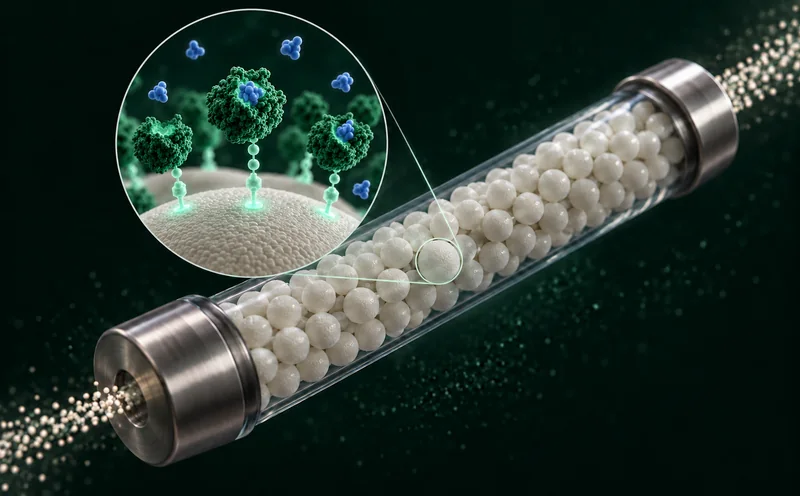
Enzymes and biocatalysts
Reusable immobilised biocatalysts · Continuous-flow biocatalysis · Enzyme-based sensing
Read about enzymes and biocatalysts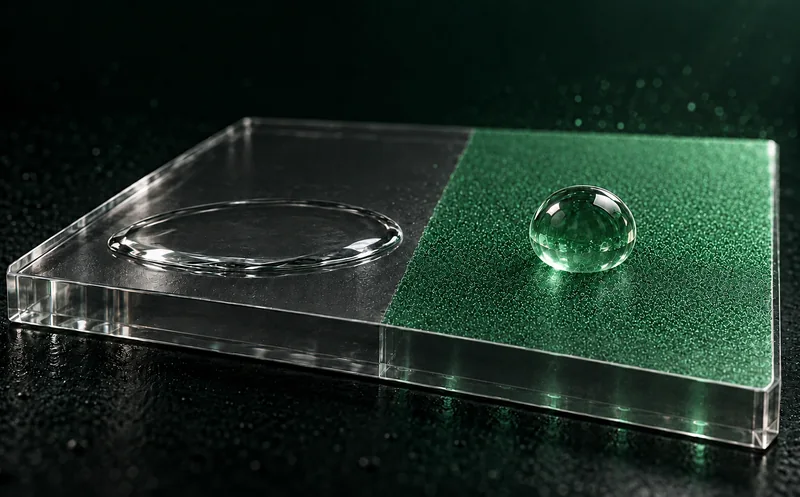
Coatings and programmable material properties
Surface charge · Wettability · Antimicrobial and antifouling coatings · Functional coatings for assays and devices
Read about coatings and programmable material properties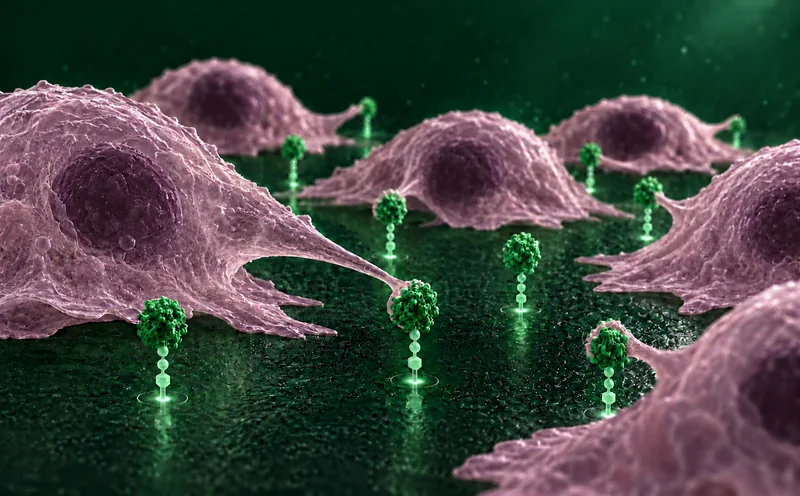
Cell engineering and synthetic biology
Immobilised cytokines and growth factors · Directed-differentiation surfaces · Organoid and tissue-model scaffolds · Programmable surfaces for cells and materials
Read about cell engineering and synthetic biology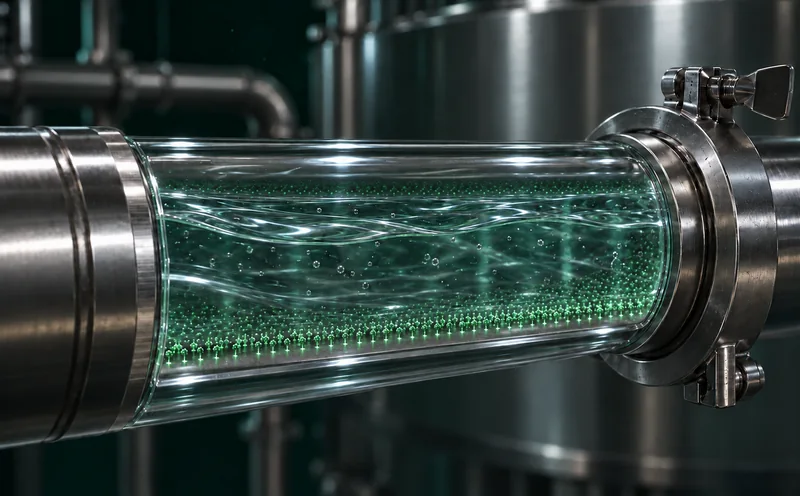
Bioprocessing and industrial biochemistry
Flow reactors · Process lines · Durable capture surfaces · Antifouling process surfaces
Read about bioprocessing and industrial biochemistry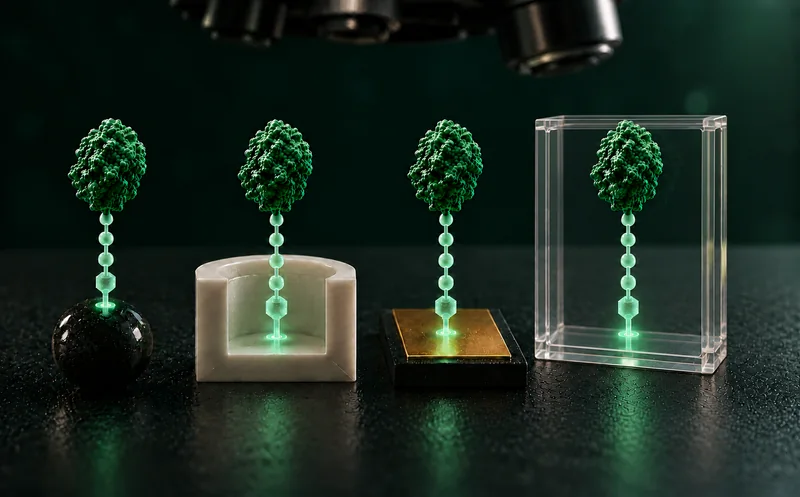
Research
Immobilised proteins and probes · ELISA and bead assays · Electrochemistry and biosensors · Flow cytometry · Protein and peptide arrays
Read about research
Who we are
A Biotome technology, from Perth
Biotome Pty Ltd is an immunology diagnostics company in Perth, Western Australia, at the Harry Perkins Institute of Medical Research. PepLock is a Biotome technology, invented by Luke Marshall, Dr Samuel Lundin and Paige Bebee.
Start with the data pack
We are speaking with licensing partners and investors.
Or email peplock@biotome.com.au