
Applications
One technology, many possibilities
There are many flavours of PepLock, and one problem they all address: keeping a biomolecule attached, oriented and working on a surface.
Proposed applications. PepLock is an early-stage technology. Applications beyond the confirmed formats are proposed, not yet validated.
Any technology that puts biology to work on a surface has the same requirement. The molecule has to attach robustly, in the right orientation, and stay there through everything the surface is later exposed to. Diagnostics, therapeutics discovery, biocatalysis, cell culture, bioprocessing and advanced materials all share this problem. Most still solve it by adsorption, or by coupling chemistry developed case by case for each molecule and each material.
PepLock turns attachment into a property of the molecule itself. A PepLock-tagged protein or peptide attaches to the surface in a single aqueous step, site-specifically and with consistent orientation, and the attachment withstands washes, detergents, salts, acids, bases and chaotropes. Where attachment has been the bottleneck, PepLock is designed to remove it. Below is where we believe that matters most.
Diagnostics
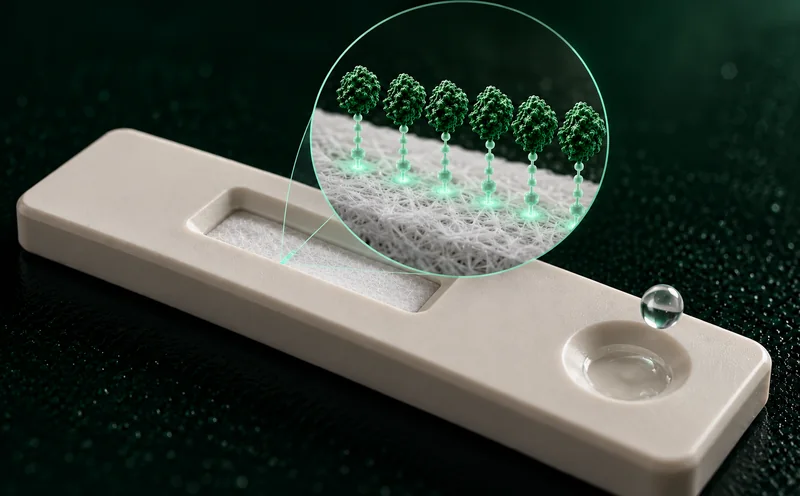
Capture antibodies, antigens and peptides are usually adsorbed or chemically coupled to the assay surface. Orientation is uncontrolled, so part of the binder is presented in ways that cannot capture target, and coupling adds steps to every lot.
PepLock-tagged binders and peptides attach to the assay surface in one aqueous step, site-specifically and with consistent orientation. In peptide serology, PepLock-tagged peptides show robust binding and improved epitope presentation.
- Lateral flow
- ELISA
- Multiplex assays
- Biosensors
- Peptide serology
Biologics and binders
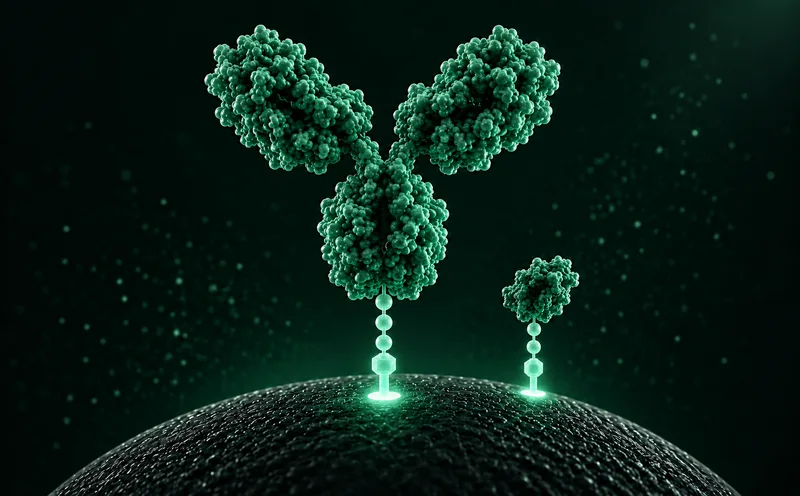
Antibodies, nanobodies and engineered binders work only when their binding sites face outward. Random coupling through surface residues can block those sites, and capture-protein systems add a second protein to every surface.
PepLock gives each binder site-specific attachment with consistent orientation, and no capture protein is needed. PepLock has been demonstrated with human IgG, mouse IgG and nanobodies (VHH and VNAR).
- Antibodies
- Nanobodies
- Engineered binders
Enzymes and biocatalysts
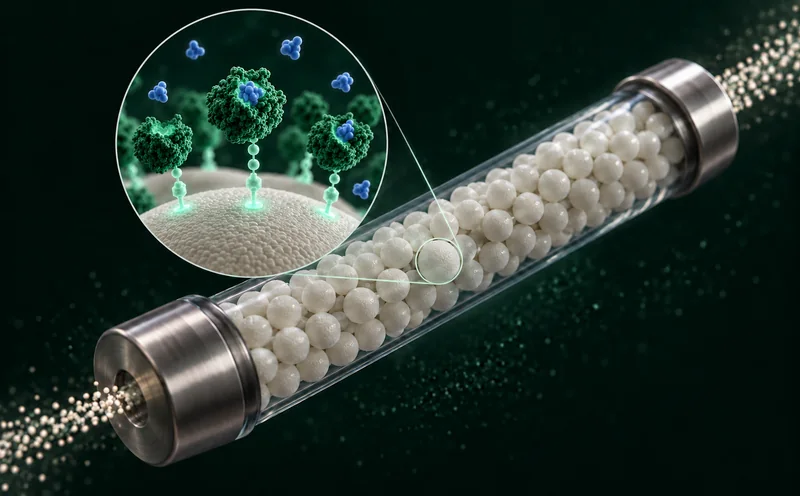
Immobilised enzymes are what make biocatalysis practical: the catalyst can be recovered, reused and run continuously. Yet immobilisation is still where many processes stall. Random chemical attachment can bury the active site, adsorbed enzyme leaches from the support, and every new enzyme means a new round of optimisation.
With PepLock, immobilisation is designed into the enzyme. A PepLock-tagged enzyme attaches itself to the support at a position chosen in the design, and the attachment holds through the washes and harsh buffers of a working process. We see that opening the way to immobilised biocatalysts that keep their activity, catalytic surfaces that can be reused rather than replaced, and flow processes that run for longer between changeovers.
- Reusable immobilised biocatalysts
- Continuous-flow biocatalysis
- Enzyme-based sensing
Coatings and programmable material properties
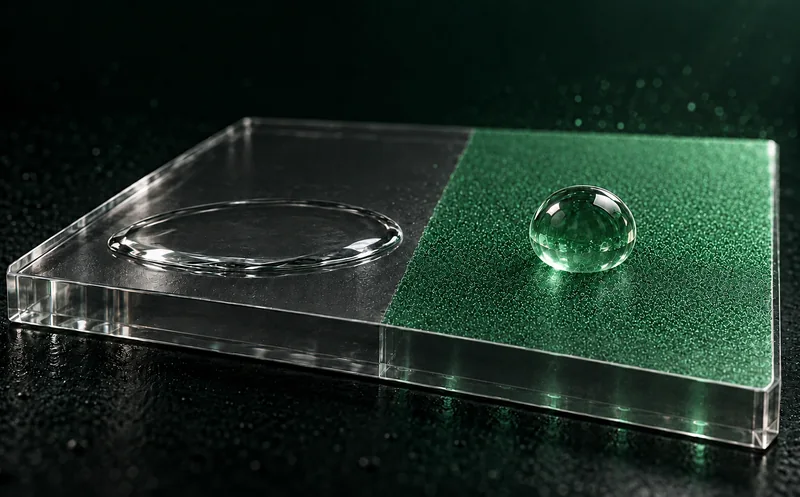
Materials rarely come with every property they need. A plastic may need to shed water, a membrane to hold a capture reagent, a device surface to resist microbial growth. Each property means a coating of its own: developed for that one material, applied as an extra step, and prone to wearing off.
Programmable material properties turn that around. The property is specified in a molecule, and the material takes it on by binding that molecule. The coating is a peptide or protein layer, so it can be designed, varied and produced like any other biologic, and it attaches in one durable step with no new chemistry for each substrate. Changing the property means changing the design, not the process.
- Surface charge
- Wettability
- Antimicrobial and antifouling coatings
- Functional coatings for assays and devices
Cell engineering and synthetic biology
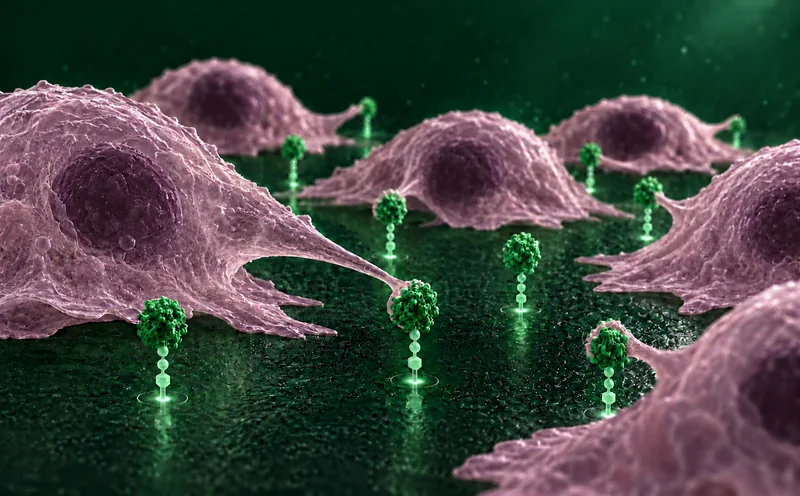
Cells read their surroundings through the molecules presented to them. Cytokines, growth factors, adhesion ligands and other signalling molecules decide whether a cell attaches, divides, differentiates or dies. Soluble factors are expensive and short-lived, and presenting those cues on culture plastics, beads, scaffolds and devices is difficult.
Improved tools could solve the challenge of binding signalling molecules to surfaces, the same way every time. These surfaces can guide the development of stem cells, hold immune cells in an engineered niche, or grow organoids on a scaffold, following cues laid out in a pattern. Multiple complex signals can be combined by encoding the anchor into the signalling proteins themselves, avoiding harsh binding chemistry.
- Immobilised cytokines and growth factors
- Directed-differentiation surfaces
- Organoid and tissue-model scaffolds
- Programmable surfaces for cells and materials
Bioprocessing and industrial biochemistry
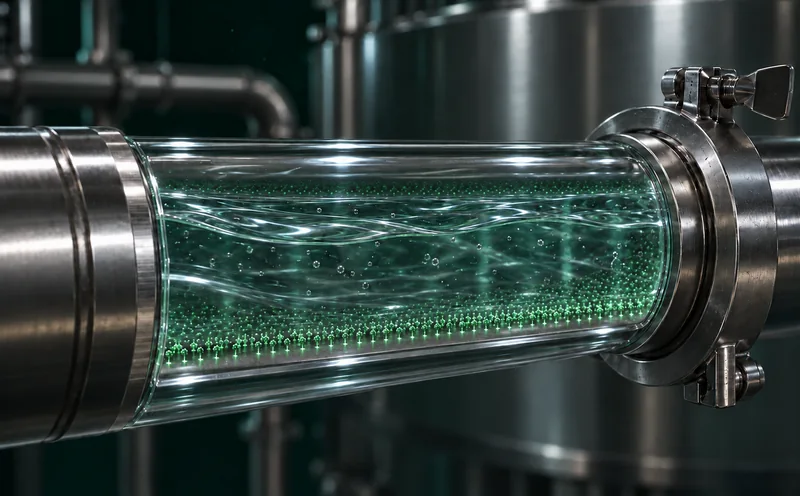
Process lines and flow reactors run for weeks through cleaning cycles, pressure and changing buffers. Any protein working on a surface in that environment, a catalyst, a capture ligand, an antifouling layer, has to hold on. Immobilised proteins that leach or lose activity add cost, contaminate product and interrupt production.
PepLock attachment withstands washes, detergents, salts, acids, bases and chaotropes, which is the regime industrial surfaces live in. That points to biocatalytic reactors that stay productive through cleaning, capture surfaces that survive clean-in-place, and process equipment whose working surfaces are functionalised by design rather than coated after the fact.
- Flow reactors
- Process lines
- Durable capture surfaces
- Antifouling process surfaces
Research
Discovery depends on presenting proteins and probes on beads, plates, membranes and sensors in a known, reproducible way. In practice each new construct brings another round of attachment optimisation, variable orientation, and results that are hard to compare across formats.
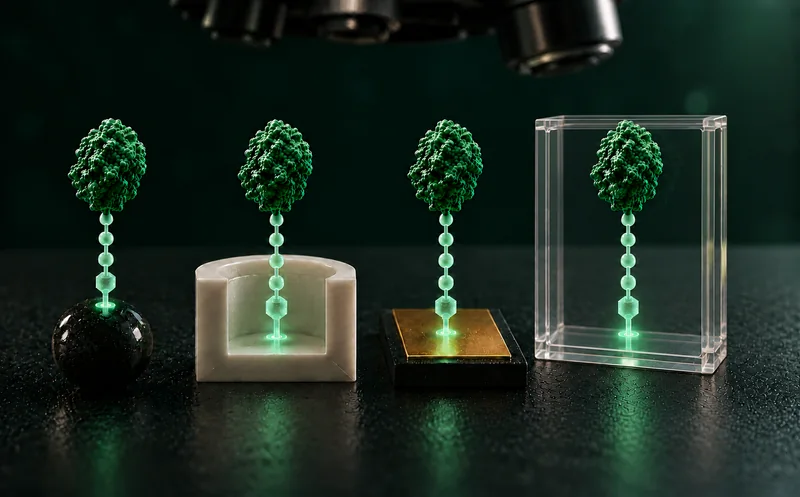
A PepLock-tagged protein attaches the same way on every format, in one aqueous step and with consistent orientation, and it handles like any other reagent through tubes, tips and storage plates. Conventional coupling modifies the molecule at whatever residues are accessible, and a modified molecule may not behave like the original. With PepLock the attachment point is chosen in the design and the rest of the molecule is left as it was, so the same construct could move from bead to plate to sensor to flow cytometry with results that compare across formats.
- Immobilised proteins and probes
- ELISA and bead assays
- Electrochemistry and biosensors
- Flow cytometry
- Protein and peptide arrays
The data is real. It's behind a short conversation
Available under NDA, followed by a technical demonstration. We are speaking with licensing partners and investors.
Or email peplock@biotome.com.au